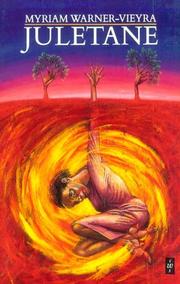
After four books written from the male perspective, I was happy to be inside a female mind again, even though Juletane's story is as depressing as
The Color Purple. Helene, a French social worker, discovers an old notebook as she packs up her apartment in preparation for her wedding. In it is Juletane's autobiography.
After reading the novel's many bizarre and tragic events, what lingers with me are the consequences and causes of bad decisions. Juletane was disadvantaged, as an orphan sheltered by her guardian. No one warned her when she decided to marry the first man who showed interest in her. On the boat from Paris to Africa, she learns that her new husband is already married. Juletane quickly becomes depressed, deepening in her alienation, listlessness, and madness. In the next five years, she hardly attempts to go back to France, preferring to dwell in misery. She blames her misfortunes on her past, all the way to conception. Juletane lives alone with her fatalism.
Helene, through whose eyes we read Juletane's tale, is quite the opposite. A full and happy childhood, higher education, career, and independence. After her fiance dumps her, she determines that all men are brutal and hardens her heart, sleeping around and occasionally using sex for spite. Helene selfishly agrees to marry an infatuated younger man, only so she can have a child before she is too old. After reading Juletane's diary, the "block of ice around her heart" is broken. I imagine the story of the mad woman retreating from all relationships and dying at 25 in an asylum would inspire a person to change.
People can't live in isolation. Juletane was isolated by language and culture. She could have chosen to live with her circumstances or to go back to Paris. I'm pretty sure that if a Catholic unknowingly marries a polygamist, the marriage doesn't officially count, so she was not bound to her husband. Either way, she would not have been alone. Helene blocks off meaningful relationships after a great heartbreak. She imagines her solitude is strength and plans to only use her fiance for his sperm without getting close to him. But she recognizes the detriment of her self-imposed isolation. What will Helene do? The novel ends after she finished Juletane's diary. But, I suppose the only way to start is to form true, lasting, and deep relationships, starting with her marriage.
 Firdaus, the main character and narrator of most of Woman at Point Zero , is continually molested, raped and beaten by the men around her. She finally finds a sort of power when she discovers that the tools men use to abuse and control her only mask their terror of a woman who is not afraid of men. Unlike Hollywood heroines, she finds this power in murder and loses her fear of death in prison.